

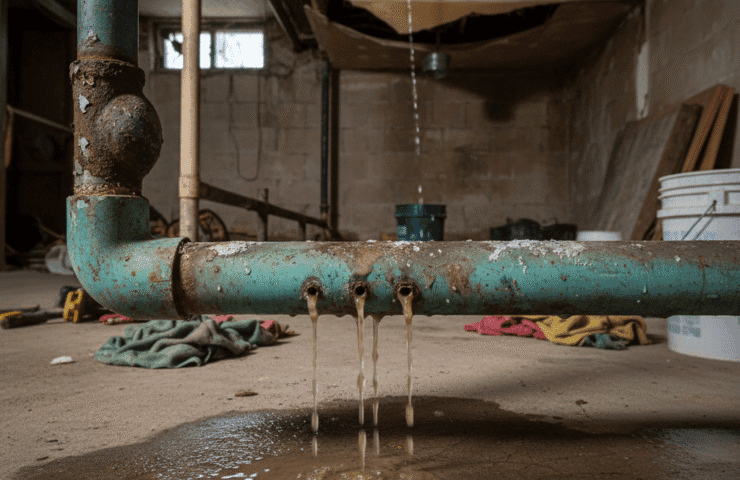
Signs Home Pipes Need Replacement
Your home pipes work quietly until they do not. Small signs at first can point to a much larger plumbing problem later. Recognizing those signs early saves money and prevents damage to walls floors and belongings.
This article walks through common indicators that your plumbing may need replacement. Read on for clear examples practical tips and helpful next steps so you can decide when repair no longer makes sense and replacement is the safer option.
Visible Corrosion and Rust on Pipes
When pipes show surface rust flaking or greenish deposits you are looking at metal degradation that will only get worse. Corrosion weakens pipe walls and leads to pinhole leaks that start small and expand. In older homes galvanized steel pipes often develop interior build up that reduces flow and creates weak points.
Example observation to note during an inspection
- Discolored or chalky residue around exposed pipe joints
- Soft spots on copper or steel that dent easily when pressed
- Rust staining on ceilings or walls below a run of pipe
Frequent Leaks and Repeated Repairs
A single repaired leak is not always a red flag. Multiple leaks over several locations suggest systemic failure. If the cost of repeated patching approaches the cost of replacing the problem run or the whole system replacement begins to make financial sense.
Practical guideline to compare costs
- Keep receipts for repairs
- Estimate total spent versus an installed replacement quote
- Factor in disruption and hidden damage like mold
Water Quality Problems That Affect Health and Appliances
Discolored water with brown red or yellow hues often points to internal corrosion or sediment dislodging inside old pipes. Cloudy water or particles may indicate pipe corrosion or mineral build up. A metallic taste or scaly residue on fixtures is another warning sign.
Lead and old materials to watch for
Homes built before the mid 1980s can contain lead or lead solder. Even small traces create health risks over time especially for children and pregnant people. If testing shows lead present a full replacement may be the safest path.
Effect on appliances
Old pipes can shorten the useful life of water heaters dishwashers and washing machines. Sediment accelerates wear and reduces efficiency which raises energy and maintenance bills.
Persistent Low Water Pressure and Flow Issues
Low pressure in multiple fixtures at once points to obstruction inside the supply lines. Scale mineral deposits or a shrinking interior due to corrosion can choke flow. While a single clogged aerator or fixture valve is easy to fix widespread low pressure is often internal and permanent.
- Test pressure in different parts of the house to isolate the problem
- If pressure loss is steady and affects hot water that points to issues in both supply and heater connections
- Pressure gauges can quantify decline over time
Strange Noises and Structural Signs
Knocking creaking or constant dripping noises behind walls are examples of plumbing failure symptoms that appear before visible leaks. Pipe movement from corrosion or loose hangers can create noise that becomes louder as problems worsen.
Watch for structural signs that are often linked to leaks
- Stains on ceilings and walls that spread
- Paint peeling near fixtures
- Warped flooring or soft spots close to plumbing runs
What to Expect During a Repiping Project
When replacement is required you should know what typical progression looks like. First the plumber evaluates materials and access points then provides a written plan with a timeline. The work can range from a single supply line replacement to a full house repipe.
Common steps in a full repipe
- Shut off water and drain remaining water from the system
- Remove selected old piping and check for hidden damage
- Install new piping material chosen for durability and code compliance
- Test the system for leaks and pressure and restore finishes where needed
Typical time frame
- Small projects may take a day to two
- Whole house repipe commonly requires two to five days depending on access and scope
Material choices with typical lifespans
Material selection matters. Copper often lasts many decades. PEX is flexible and resists scale with lifespans commonly quoted in decades by manufacturers. Galvanized steel tends to corrode from the inside and may require replacement sooner. Local code and water chemistry also influence choice.
How to Decide Between Repair and Replacement
Not every leak calls for total replacement. Use these practical rules to guide your decision making
- If multiple leaks occur in different locations and system age is high replacement makes sense
- If water quality is degraded or lead is present prioritize replacement for health reasons
- When expensive appliances suffer repeated damage from sediment or rust replacement can be more economical over time
- Factor in hidden damage like mold structural rot or repeated drywall work when weighing options
Example decision scenario
If a 50 year old home shows rust in several exposed runs has low pressure throughout and white residue appears in hot water appliances then replacement is likely the prudent choice.
Questions to Ask a Plumbing Professional
When you call a plumber be ready with targeted questions. The right answers reveal expertise and help you compare estimates fairly.
- What material do you recommend and why
- Do you handle permits and inspections
- What is the expected timeline and will daily water access be possible
- Can you provide references and photos of recent repipes
- How will you protect floors and furniture during work
One paragraph that may help when looking for professional help includes a direct link to a reputable local option for complete pipe replacement. For homeowners interested in learning more about specific repipe plans and availability a good starting point is to review dedicated repipe information and scheduling with a licensed team offering clear estimates and warranties like the local repiping services page
Temporary Steps to Reduce Damage Until Replacement
While arranging replacement take measures to limit ongoing harm. Turn off water to the affected zone if possible. Place buckets under visible drips and move valuables away from stained ceilings or walls. Use moisture meters if available to check for hidden damp areas that might support mold growth.
- Patch small surface leaks with approved clamping products for short term relief
- Install water leak detectors in vulnerable areas like under sinks near boilers and behind refrigerators
- Schedule a water quality test to establish baseline contaminants
When health risk is a concern or when older materials like lead or heavily corroded galvanized pipe are present calling a qualified company is the next step. For homeowners ready to move beyond repairs and explore full replacement options the information found through a local repipe specialist can answer common cost and logistics questions and provide a clear path forward
Conclusion
Recognizing signs that home pipes need replacement protects your home and your wallet over the long term. Look for visible corrosion frequent leaks low water pressure poor water quality strange noises and structural changes as key indicators that repair may no longer be sufficient. When several of these signs appear together the benefits of replacing old piping outweigh the short term cost by removing recurring failures protecting health and extending the life of water using appliances. A clear plan helps. Start by documenting issues gathering recent repair invoices and getting at least two written estimates that outline materials timelines and warranty terms. If testing reveals hazardous materials schedule replacement promptly rather than waiting. Professional repiping work restores reliable flow reduces the risk of costly water damage and provides predictable performance for years. If you are ready to explore options ask for a detailed scope that lists materials access impacts and a step by step timeline so you can plan around the work. Act now to stop small problems from becoming major repairs and to protect your property value. Contact a licensed plumber for a home inspection estimate and to discuss the best next steps for your situation.


