

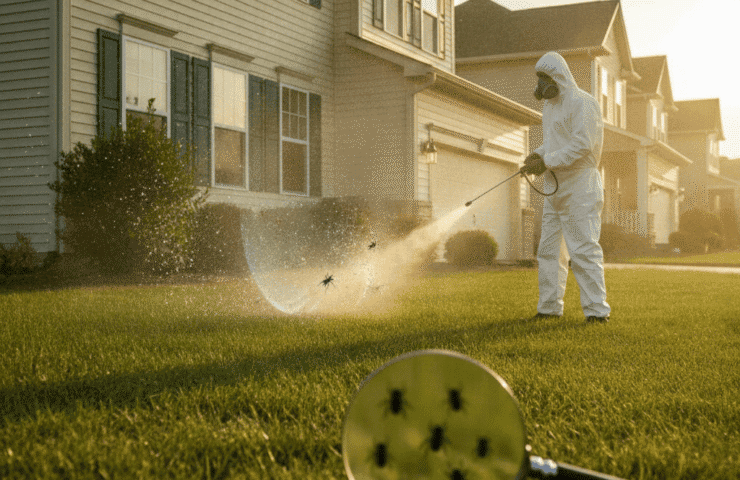
Eradicating Bugs From Residential Properties
As someone who has seen countless homes struggle with unwanted guests, I understand the frustration and discomfort that comes with a pest infestation. Eradicating bugs from residential properties is not just about squashing a few spiders or setting out a mousetetrap. It requires a systematic approach and a good understanding of what you are up against. This is a battle for your peace of mind and the sanctity of your home.
I have learned that every pest problem presents unique challenges. What works for ants might not work for termites. A successful pest eradication plan starts with proper identification and then moves to targeted solutions. My experience shows that ignoring the early signs only leads to bigger issues down the line.
Today, I want to share some practical insights and strategies that I have gathered over the years. My goal is to equip you with the knowledge needed to effectively deal with pests. You can protect your home and family from these unwelcome invaders. It is about taking back control.
Understanding Common Household Pests and Their Habits
Before you can effectively tackle a pest problem, you need to know your enemy. Different bugs have different habits, entry points, and preferred hiding spots. I always start by identifying the specific pest. This helps me understand its lifecycle and behavior. It also tells me the best ways to get rid of it.
Common household pests include ants, cockroaches, termites, bed bugs, and rodents. Each one poses its own set of challenges. Ants might be foraging for food in your kitchen, but termites could be silently destroying your home’s structure. Knowing these distinctions is the first step in effective eradication.
Ants and Cockroaches: Persistent Invaders
Ants are often a sign of open food sources or spills. They follow scent trails to find food and water. I find that keeping your kitchen clean and storing food in airtight containers goes a long way. Cockroaches, on the other hand, love dark, damp places like under sinks or behind appliances. They are notoriously resilient and can spread germs. A clean home is a strong defense against both.
I always recommend addressing any leaks or areas of excess moisture. Cockroaches need water to survive, so cutting off their water supply can be very effective. For ants, sealing cracks in foundations and around windows helps block their entry points. Using bait traps designed for ants can also draw them away from your food areas. They take the bait back to their colony, which then eliminates the entire nest over time.
Termites and Bed Bugs: Silent Destroyers
Termites are a homeowner’s worst nightmare because they cause significant damage before you even notice them. They feed on wood and can compromise the structural integrity of your home. Regular inspections are critical, especially if you live in an area prone to termites. Bed bugs are tiny hitchhikers that feed on blood. They hide in mattresses, bed frames, and even behind baseboards. Eradicating bugs from residential properties like these often requires professional intervention.
When dealing with termites, I advise looking for mud tubes on your foundation or discarded wings near windows. These are clear signs of activity. For bed bugs, tiny bloodstains on sheets or small, itchy bites in a line are indicators. Early detection for both can save you a lot of trouble and expense.
Implementing Effective DIY Pest Control Strategies
While some infestations require professional help, many common pest problems can be managed with effective DIY strategies. I always encourage homeowners to try these methods first. They are often more cost-effective and empower you to maintain a pest-free home. My personal approach combines prevention with targeted treatments.
The key is consistency. You cannot just clean once and expect the pests to stay away forever. It takes ongoing effort and vigilance. Small actions can make a big difference in the long run. These strategies focus on making your home less appealing to pests and disrupting their breeding cycles.
Sealing Entry Points and Eliminating Food Sources
The simplest way to keep bugs out is to block their access. I regularly inspect my home for cracks in the foundation, gaps around windows and doors, and openings where pipes enter the house. Caulking small cracks and using weatherstripping on doors can prevent many pests from entering. This physical barrier is often underestimated in its effectiveness.
Furthermore, removing food and water sources is paramount. This means cleaning up crumbs immediately, wiping down counters, and never leaving dirty dishes in the sink overnight. I store all dry goods in sealed containers. Pet food should also be stored in airtight bins. Taking out the trash regularly and securing bins with tight lids prevents pests from feeding on waste.
Natural Remedies and Traps
Many natural remedies can deter pests without harsh chemicals. For example, I have used essential oils like peppermint or tea tree oil to repel spiders and ants. A few drops on cotton balls placed in problem areas can be quite effective. Diatomaceous earth, a natural powder, can also be sprinkled in cracks and crevices. It works by dehydrating insects. It is safe for pets and children once it settles.
Sticky traps and bait stations are also useful tools. Sticky traps can monitor pest activity and catch small crawling insects like silverfish or spiders. Bait stations, especially for ants and cockroaches, draw pests in with an attractant. The pests then carry the poison back to their nests. This helps eradicate the entire colony. I always position these traps out of reach of children and pets.
When to Call the Professionals for Pest Eradication
While DIY methods are great for minor issues, there are times when you absolutely need to call in the experts. I have learned that knowing when to escalate the problem to professionals can save you time, money, and a lot of headaches in the long run. Some infestations are simply too widespread or too dangerous to handle on your own. It is important to recognize these situations.
Persistent infestations, especially those that keep coming back despite your best efforts, are a clear sign. If you are seeing large numbers of pests, or if the pests are particularly destructive or hazardous, professional help is the smart choice. They have the specialized tools and knowledge to handle complex situations.
Identifying Severe Infestations
A severe infestation often means you are seeing pests regularly in multiple areas of your home. For example, if you find cockroaches scurrying in daylight, it suggests a very large population. Widespread termite damage or a persistent rodent problem with droppings in various rooms also indicates a serious issue. These situations often mean the pests have established deep nests or colonies within your property. This makes them difficult to reach with standard DIY methods. Professionals can use advanced techniques and products not available to the general public.
If you suspect bed bugs, I strongly recommend a professional assessment. These pests are notoriously hard to eliminate. They require specific heat treatments or powerful insecticides to eradicate thoroughly. Attempting to treat bed bugs yourself often leads to them spreading to other parts of your home or even to neighbors. This is a common mistake I have seen many people make when trying to save money. The cost of professional treatment is usually worth it for the peace of mind.
Benefits of Professional Pest Control Services
Professional pest control companies offer several benefits. They can accurately identify the pest and determine the extent of the infestation. This diagnostic step is crucial for effective treatment. They also use specialized equipment and stronger, more targeted treatments than what you can buy over the counter. I find that their expertise helps prevent future infestations through integrated pest management plans. They also offer follow-up services to ensure the problem is fully resolved. For example, in Malaysia, many homeowners rely on recommended pest control companies to manage their pest problems effectively. These companies provide tailored solutions for residential properties.
Another important aspect is safety. Professional exterminators are trained to handle pesticides safely. They minimize exposure to your family and pets. They also understand local regulations and environmental considerations. This ensures that the eradication process is both effective and responsible. Their guarantee of service provides an extra layer of assurance. This means you will not be stuck dealing with recurring pest issues on your own.
Preventative Measures for Long-Term Protection
Eradicating bugs from residential properties is not a one-time event. It requires a commitment to ongoing preventative measures. I have found that a proactive approach is always more effective and less stressful than reacting to an active infestation. Maintaining a pest-free home is about creating an environment that is unattractive to pests and regularly checking for any new activity.
These preventative steps often overlap with good household hygiene and maintenance practices. They protect your home from more than just bugs. They also preserve its value and comfort. My advice is to integrate these habits into your regular routine.
Regular Home Maintenance and Cleaning
A clean and well-maintained home is your best defense. I stress the importance of regular vacuuming and sweeping to remove crumbs and insect eggs. Wiping down surfaces, especially in the kitchen and bathroom, eliminates food residues and moisture. Keeping clutter to a minimum also removes potential hiding spots for pests. Piles of newspapers or boxes offer cozy homes for many bugs. Regularly decluttering helps a lot.
Beyond cleanliness, home maintenance plays a crucial role. I check for leaky pipes and faucets. Repairing these immediately cuts off water sources that pests need. Inspecting screens on windows and doors for tears and repairing them prevents flying insects from entering. Even small holes can be entry points. Proper drainage around your foundation keeps moisture away from your home, discouraging many pests.
Landscaping and Outdoor Management
Your outdoor environment greatly influences indoor pest activity. I always advise keeping shrubs and tree branches trimmed away from your house. Overhanging branches can act as bridges for pests like ants, rodents, and even raccoons to access your roof or attic. Maintaining a tidy yard also helps. Removing leaf litter, grass clippings, and debris reduces harborage areas for insects and rodents near your home’s perimeter.
Storing firewood at least 20 feet away from your house and off the ground is also a good practice. Firewood attracts termites and other wood-boring insects. I also recommend checking your gutters regularly. Clogged gutters can lead to water pooling, creating breeding grounds for mosquitoes and attracting other moisture-loving pests. A well-maintained garden and yard acts as a buffer, preventing pests from getting too close to your home.
Safe and Responsible Pest Control Practices
When working on eradicating bugs from residential properties, safety should always be a top priority. My experience has taught me that improper use of pesticides or traps can pose risks to your family, pets, and the environment. It is crucial to use pest control products responsibly. This includes following all instructions carefully and choosing the least toxic option whenever possible.
Responsible pest control also considers the long-term impact on your home and surrounding ecosystem. I advocate for methods that are both effective and environmentally conscious. This approach minimizes harm to beneficial insects and wildlife.
Using Pesticides Safely
If you choose to use chemical pesticides, I cannot stress enough the importance of reading and following the label instructions precisely. The label provides vital information on how to apply the product, the necessary safety precautions, and how to store and dispose of it. Wearing protective gear like gloves and masks is essential to avoid direct exposure. I always ensure good ventilation when using sprays indoors.
I also recommend using pesticides only in targeted areas where pests are present. Avoid broadcasting them unnecessarily. Consider using bait stations or gels for insects like ants and cockroaches. These products deliver the pesticide directly to the pests with minimal airborne residue. After application, keep children and pets away from treated areas until the product has dried or settled. Proper storage of unused pesticides in a secure, cool, dry place also prevents accidental exposure.
Eco-Friendly and Integrated Pest Management (IPM)
Integrated Pest Management, or IPM, is an approach I strongly support. It focuses on long-term prevention through a combination of techniques rather than relying solely on pesticides. IPM starts with pest identification and monitoring. Then it moves to sanitation and exclusion. Chemical treatments are used only as a last resort and in the most targeted way possible. This method is much safer and more sustainable for residential properties.
Eco-friendly options like physical barriers, traps, and natural repellents are central to IPM. For example, using sticky traps to catch flies or installing screens on vents reduces the need for sprays. Introducing natural predators in your garden can control outdoor pest populations. This minimizes chemical use. Embracing IPM means thinking about the bigger picture. It is about creating a healthy home environment that naturally resists pests, reducing the need for constant chemical intervention.
Conclusion: Maintaining a Bug-Free Home for Peace of Mind
Eradicating bugs from residential properties is a continuous process. It requires diligence, knowledge, and a commitment to maintaining a healthy living environment. I have shared many strategies from understanding your common household pests to implementing effective DIY methods and knowing when to call in the professionals. The key message I want to convey is that you have the power to protect your home. It might seem like a daunting task at first, but by breaking it down into manageable steps, you can achieve a pest-free sanctuary. Regular cleaning, sealing entry points, and smart landscaping are your first lines of defense. When problems escalate, do not hesitate to seek expert help. It is an investment in your home’s integrity and your family’s well-being. By adopting these responsible and proactive pest control practices, you can enjoy a comfortable and safe home without the constant worry of unwelcome intruders. Your peace of mind is worth the effort.


